
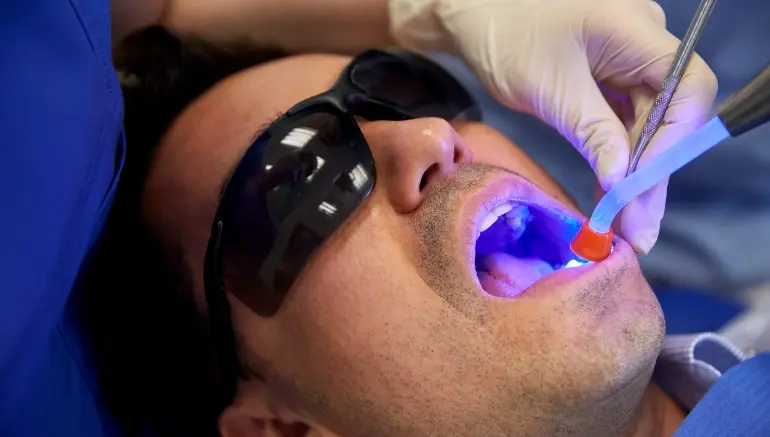
Maintaining strong and healthy teeth requires more than just daily brushing and flossing. Many dental issues begin quietly, without noticeable pain, and gradually worsen over time. Identifying early warning signs can help prevent more serious complications and protect your overall oral health before the problem becomes severe.
Tooth decay and minor damage often go unnoticed until symptoms become uncomfortable. Paying attention to subtle changes in your teeth can make a significant difference in avoiding costly and complex treatments. Understanding when your teeth need attention allows you to take timely action and maintain a confident, healthy smile.
“A healthy smile isn’t just about appearance, it’s about catching problems before they grow.”
What is a Dental Filling?
A dental filling is a common restorative procedure used to repair teeth affected by decay, cracks, or minor damage. It involves removing the damaged portion of the tooth and filling the space with a durable material such as composite resin, amalgam, or porcelain to restore its structure and function.
This treatment not only strengthens the tooth but also prevents further decay by sealing vulnerable areas where bacteria can accumulate. Dental fillings in Dallas are designed to blend naturally with your teeth, allowing you to chew, speak, and smile comfortably without noticeable changes in appearance.
Common Signs You Might Need a Dental Filling
Early signs of tooth damage are often subtle but should never be ignored. Identifying these symptoms can help you seek timely care and prevent further complications. Below are some of the most common signs that indicate you may need a dental filling:
1. Tooth Sensitivity
If you feel pain when consuming hot, cold, or sweet foods, it may indicate enamel erosion or decay. Sensitivity occurs when the protective layer of the tooth weakens, exposing inner layers. This can lead to sharp or lingering pain, particularly during eating or drinking. Chronic sensitivity is often an early sign that a dental filling may be necessary to protect the tooth.
2. Visible Holes or Dark Spots
Small holes, pits, or dark spots on your teeth are clear indicators of tooth decay. These changes in appearance occur as bacteria break down the enamel, creating cavities. Even if there is no pain initially, the damage can worsen over time. Treating these visible signs early with a filling can prevent deeper structural damage and more extensive treatments.
3. Toothache or Persistent Pain
Persistent tooth pain is one of the most noticeable signs of dental problems. The pain may be constant or occur while chewing or applying pressure. This pain typically results from decay reaching deeper layers of the tooth. Ignoring such pain can lead to infection, making early intervention with a filling essential to relieve pain and preserve the tooth.
4. Chipped or Cracked Teeth
Teeth that are chipped or cracked due to injury or biting hard objects can become vulnerable to decay. These openings allow bacteria to enter and cause further damage. Even minor cracks should not be overlooked, as they can worsen over time. A dental filling in Dallas can help restore the tooth’s structure and prevent additional complications.
5. Food Frequently Getting Stuck
If you notice food getting trapped in the same area repeatedly, it may indicate a cavity or gap forming in the tooth. This can lead to bacterial buildup and increase the risk of decay. Over time, this issue can cause pain and gum irritation. A filling can close these gaps and restore proper tooth alignment.
6. Rough or Uneven Tooth Surface
A tooth that feels rough or uneven when you run your tongue over it may be experiencing enamel damage. This change in texture often signals early decay or wear. Smooth enamel is essential for protecting the tooth, and once compromised, it requires treatment. Dental fillings in Dallas, TX can restore the smooth surface and prevent further deterioration.
What Happens If You Ignore the Signs
Ignoring early warning signs of tooth decay can lead to serious oral health complications. What starts as a minor issue can quickly progress into a more severe condition requiring complex treatments. Delaying professional care at a best dental clinic in Dallas can increase the risk of complications and lead to more extensive dental treatments over time. Below are some possible consequences of delaying treatment:
- Deeper Tooth Decay: Untreated cavities can extend into the inner layers of the tooth.
- Severe Pain and Infection: Bacterial spread may cause intense pain and swelling.
- Root Canal Treatment: Advanced decay often requires more invasive procedures.
- Tooth Loss: Severe damage may result in the need for extraction.
- Higher Treatment Costs: Delayed care usually leads to more expensive dental procedures.
“Ignoring tooth sensitivity today could mean bigger treatments later; early care makes all the difference.”
What to Expect During a Dental Exam for Fillings
During a dental exam, your dentist in Dallas will carefully assess your teeth for signs of decay, damage, or weakness. This typically includes a visual examination, dental X-rays, and checking for sensitivity or soft spots. These steps help identify areas that may require treatment before the issue worsens.
If a filling is needed, the procedure is usually quick and minimally invasive. The dentist will remove the decayed portion of the tooth, clean the area, and place the filling material. The process is designed to restore function, protect the tooth, and provide long-lasting results with minimal pain.
Final Thoughts
Identifying the early signs of tooth decay plays a crucial role in maintaining long-term oral health. Treating minor issues promptly can prevent them from developing into more serious conditions. Timely care not only protects your teeth but also helps maintain a comfortable and confident smile for years to come.
Noticing these symptoms early and taking action can help prevent further damage to your teeth. Choosing a timely Dental Filling in Dallas allows you to preserve your natural tooth structure and avoid more complex procedures. With expert care from Dr. Noman Hussain, you can expect a personalized approach focused on restoring both the strength and appearance of your smile.
Don’t wait for the pain to get worse. Schedule your dental checkup today and protect your smile.
FAQs
1. How do I know if I need a dental filling?
Common signs include tooth sensitivity, visible holes or dark spots, pain while chewing, and food getting stuck between teeth. A dental exam can confirm whether a filling is needed.
2. Is getting a dental filling painful?
The procedure is usually not painful because dentists use local anesthesia to numb the area. You may feel slight pressure, but pain is minimal during and after the treatment.
3. How long does a dental filling last?
The lifespan of a filling depends on the material used and your oral hygiene. Composite fillings typically last 5–10 years, while amalgam fillings can last even longer with proper care.
4. How much does a dental filling cost?
The cost varies depending on the type of filling material, the size of the cavity, and the location of the clinic. On average, prices can range from affordable to moderate depending on the treatment.
5. Can a cavity go away without a filling?
No, cavities do not heal on their own. Once tooth decay has formed a cavity, it requires treatment. Delaying care can lead to more serious procedures like root canals or extractions.